Understanding the Nature of Gambling Addiction
Gambling addiction is a complex psychological disorder characterized by an uncontrollable urge to gamble despite the negative consequences. This compulsion is often rooted in a mixture of thrill-seeking behavior and a desire for financial gain, which creates a cycle of risk and reward that can be hard to break. Individuals may find themselves drawn to gambling due to the excitement it provides, often overlooking the potential for devastating outcomes, including the impact of options like online pokies nz which can exacerbate their situation. This blend of exhilaration and risk can distort judgment, leading individuals to make choices that conflict with their better interests.
Moreover, the psychological aspects of gambling addiction extend beyond mere enjoyment. Many individuals who develop an addiction possess underlying psychological issues such as anxiety, depression, or a need for escapism. In such cases, gambling serves as a coping mechanism to alleviate emotional distress. This highlights the dual nature of gambling; while it can be a form of entertainment, for some, it becomes a dangerous means of avoiding life’s challenges. Understanding these motivations is crucial for both prevention and treatment efforts.
As the addiction progresses, gamblers may experience changes in their brain chemistry, particularly in areas related to reward and pleasure. The release of dopamine, a neurotransmitter associated with feelings of pleasure, reinforces the behavior, making it increasingly difficult to resist the temptation to gamble. This biological reinforcement can create a dependency that mirrors other forms of addiction, such as substance abuse, complicating the path to recovery. Recognizing these psychological and biological factors is essential for developing effective interventions.
The Signs and Symptoms of Gambling Addiction
Identifying gambling addiction can be challenging, as symptoms often manifest subtly at first. Common signs include preoccupation with gambling, intense urges to gamble, and an inability to control or limit betting behavior. Individuals may often lie to friends and family about the extent of their gambling, driven by feelings of shame or a desire to protect their habit. As these behaviors escalate, the consequences become more severe, leading to financial ruin, relationship breakdowns, and emotional distress.
Another significant indicator of gambling addiction is chasing losses. This behavior involves attempting to recover lost funds by gambling more, which can lead to an even deeper spiral of financial and emotional turmoil. Gamblers may convince themselves that a winning streak is just around the corner, further entrenching their involvement with gambling activities. This hopeful thinking can cloud their judgment, causing them to take risks that are detrimental in the long run.
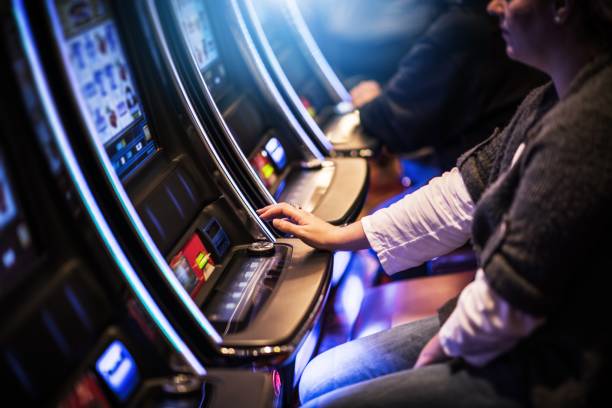
In advanced stages of gambling addiction, individuals may also exhibit withdrawal symptoms when they try to cut back or stop gambling altogether. These symptoms can range from irritability and anxiety to more severe manifestations such as depression. This withdrawal creates a vicious cycle; in an attempt to alleviate these feelings, the individual returns to gambling, perpetuating the addiction. Understanding these signs is critical for early intervention and support, which can aid individuals in their journey towards recovery.
The Impact of Gambling Addiction on Life
The repercussions of gambling addiction are far-reaching, affecting not just the individual but also their family and community. Financial instability is one of the most immediate effects, as individuals may deplete savings, accrue debt, or even engage in illegal activities to fund their gambling habits. This financial distress can lead to a cascade of other issues, including stress-related health problems, relationship conflicts, and even homelessness. The burden of financial chaos can create significant strain on familial relationships, often resulting in divorce or estrangement.
Social isolation is another profound effect of gambling addiction. As individuals become consumed by their gambling habits, they may withdraw from family, friends, and social activities that do not revolve around gambling. This isolation often exacerbates feelings of loneliness and shame, leading to further engagement in harmful gambling behaviors. The once vibrant social networks can dissipate, leaving individuals feeling trapped in their addiction, devoid of support and connection.
Additionally, gambling addiction is associated with various mental health disorders, including anxiety, depression, and suicidal ideation. The constant cycle of highs and lows can take an emotional toll, leading to a decrease in overall mental well-being. Those struggling with gambling addiction may find it challenging to maintain employment or engage in everyday activities, further complicating their recovery process. Addressing both the psychological and social dimensions of gambling addiction is crucial for rehabilitation and long-term recovery.
Strategies for Overcoming Gambling Addiction
Overcoming gambling addiction is a multifaceted process that often requires a combination of professional treatment, support networks, and personal commitment. One effective strategy is cognitive-behavioral therapy (CBT), which helps individuals identify and change unhealthy thought patterns related to gambling. CBT equips individuals with coping mechanisms to manage their urges and emotions, fostering a healthier relationship with gambling. Support groups, such as Gamblers Anonymous, also play a crucial role by providing a community of understanding and shared experiences, which can be instrumental for recovery.

Another vital component of recovery is education about the nature of gambling addiction. Understanding the psychological triggers and the consequences of gambling can empower individuals to make informed choices. Educational programs can also help family members and friends learn how to provide support without enabling the addiction. This comprehensive approach can help individuals navigate the complexities of their addiction while seeking a sustainable recovery path.
Additionally, creating a gambling-free environment is essential for those in recovery. This may involve avoiding physical locations where gambling occurs or using tools like self-exclusion programs that many gaming establishments offer. Setting strict personal limits on finances and engaging in alternative activities can redirect focus away from gambling. Recovery is a journey that requires ongoing support, commitment, and resilience, but with the right strategies, individuals can reclaim control over their lives.
Resources and Support for Gambling Addiction
Various resources are available for individuals struggling with gambling addiction. Many organizations provide support, education, and counseling services aimed at helping individuals and families affected by gambling. Professional counseling is often a critical first step, as therapists trained in addiction can offer tailored approaches that address specific needs. These services can provide a safe space for individuals to explore their motivations and triggers while working towards recovery.
In addition to professional help, online resources have proliferated in recent years, allowing individuals to access support from the comfort and privacy of their homes. Websites dedicated to gambling addiction can provide valuable information, community forums, and self-help tools that empower individuals to take action. These online platforms can be especially beneficial for those who may feel stigmatized or embarrassed to seek help in traditional settings.
Moreover, if you are someone affected by gambling addiction, it is crucial to reach out for help. Whether through therapy, support groups, or leveraging online resources, the path to recovery is paved with support and understanding. Having a network of individuals who can relate to your experiences can make a significant difference in your journey. Acknowledging the problem is the first step toward healing, and there is a wealth of information and support available to guide you through recovery.